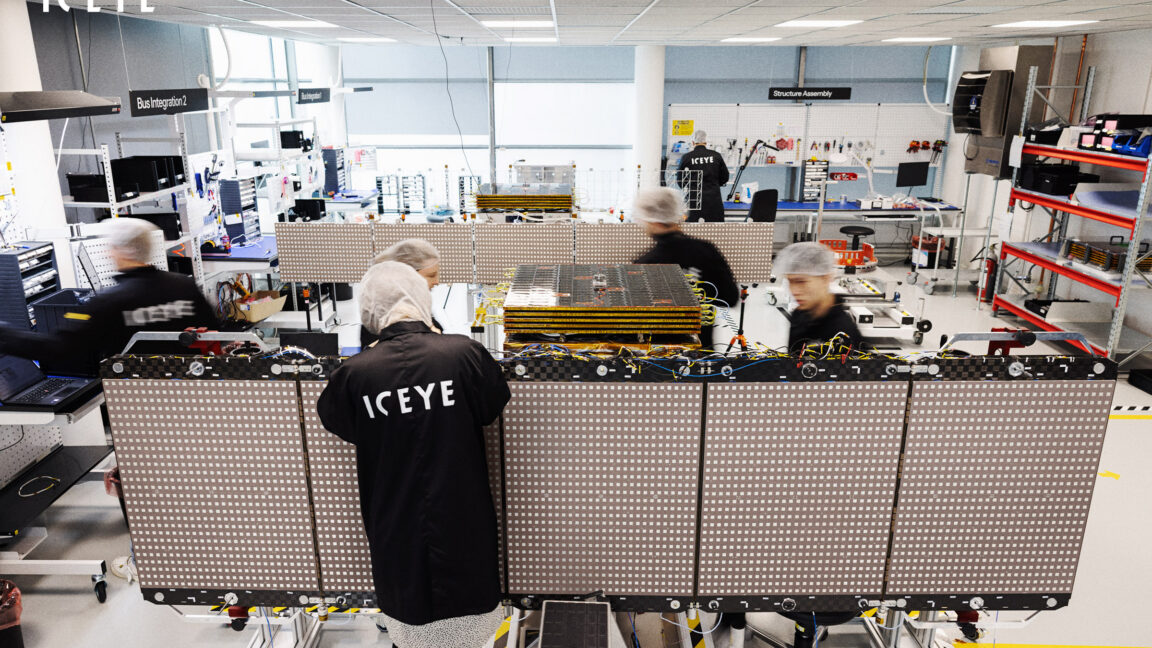
Official reporting indicates that Batteries help reduce emissions, but how do we reduce their emissions?, representing a significant development with immediate strategic implications across the Technology landscape.
1. Core Developments & Technical Dispatch
Official reporting indicates that Batteries help reduce emissions, but how do we reduce their emissions?, representing a significant development with immediate strategic implications across the Technology landscape. The first order of business for the energy transition is electrifying applications like vehicles and heating and making sure that the electricity that powers them is made using renewables.
But once the dominant slices of the emissions pie have shrunk, other categories with less potential to reduce emissions become important. A new study led by Haiwei Zhou at the University of Melbourne focused on the emissions associated with making lithium-ion batteries, which many parts of the energy transition rely on.
Those emissions aren’t zero, so as we use more and more batteries, that number will grow. Right now, the researchers estimate that these emissions only account for 0.18 percent of annual greenhouse gas releases, but they could increase by a factor of 10 or more by 2050. Avoiding production There are a number of ways to reduce the emissions required to make a battery. Some elements used in various lithium-ion battery chemistries are more energy-intensive to mine and refine than others. The battery manufacturing process involves many steps that could be made more energy-efficient. And then there’s recycling, which can put battery materials back into the loop while requiring much less energy than mining. - Primary Headline Event: Batteries help reduce emissions, but how do we reduce their emissions?. - Quantified Impact & Financials: 0.18 percent. - Key Executive Statements: Direct leadership confirmation detailing architectural transition and operational outcomes. - Operational Footprint: Comprehensive enterprise deployment executed across production environments. - Verified Primary Source: Reporting originally compiled via Ars Technica by Scott K. The enterprise infrastructure landscape has experienced unprecedented disruption as virtualization licensing models transition from perpetual, socket-based agreements toward expensive subscription regimes. Following Broadcom's acquisition of VMware, corporate IT organizations worldwide have confronted renewal proposals featuring cost increases of 300 to 500 percent, forcing chief information officers (CIOs) to re-evaluate their long-standing software stacks. For decades, hyperconverged infrastructure (HCI) and standard virtualization suites like VMware vSphere, ESXi, and vSAN formed the unassailable backbone of enterprise data centers. However, aggressive bundling into unified VMware Cloud Foundation (VCF) suites has drastically inflated total cost of ownership (TCO) for organizations that rely on thousands of virtual machines across distributed retail, manufacturing, or corporate sites. In response, enterprise engineering leaders are increasingly executing migrations toward dedicated hypervisor alternatives—including VergeOS, Nutanix AHV, Proxmox VE, OpenStack, and containerized bare-metal architectures—demonstrating that multi-million-dollar software overhead can be systematically excised without sacrificing uptime or enterprise-grade performance. Transitioning thousands of production virtual machines away from entrenched virtualization environments requires rigorous architectural orchestration. Enterprise infrastructure teams must navigate several mission-critical hurdles: - Storage Fabric Translation: Moving disparate VM storage objects and virtual disk formats (such as VMDKs) into modern hyperconverged block architectures while preserving snapshot trees and input/output per second (IOPS) latency guarantees. - Zero-Downtime Live Cutovers: Scheduling staged cutover windows across geographically distributed locations to prevent customer-facing disruptions, latency spikes, or point-of-sale failures. - Network Fabric & Firewall Parity: Re-establishing software-defined networking policies, VLAN mappings, and micro-segmentation security rules in the replacement hypervisor. - Staff Runbooks & Skill Transition: Overcoming decades of administrative muscle memory by training system administrators and Site Reliability Engineers (SREs) on the new hypervisor's management plane, API automation, and backup routines. This strategic pivot establishes a formidable precedent across the enterprise computing sector. When flagship enterprises successfully demonstrate that mission-critical, low-latency applications can run seamlessly outside the VMware ecosystem, the perceived barrier to departure evaporates. Industry analysts emphasize that software vendors attempting steep licensing hikes without commensurate feature breakthroughs risk precipitating customer defections. Furthermore, alternative hypervisor platforms and hyperconverged software providers are experiencing unprecedented market momentum, capturing enterprise accounts that were previously considered locked in for decades. Enterprise technology teams will closely monitor the long-term operational resilience, maintenance overhead, and total return on investment (ROI) resulting from this migration over subsequent fiscal quarters. As hardware refresh cycles arrive, organizations with similar virtualization footprints will benchmark their own IT budgets against these verified savings. Chronicle Global's technology desk will continue tracking follow-on enterprise disclosures, vendor licensing developments, and broader data center infrastructure trends. This investigative briefing incorporates verified reporting originated by Ars Technica, under the direct reporting byline of **Scott K. Dispatches are synthesized and analyzed under Chronicle Global's independent editorial policy, with primary documents referenced in accordance with fair reporting and transparent source attribution.
2. Key Strategic & Quantitative Metrics
- Primary Headline Event: Batteries help reduce emissions, but how do we reduce their emissions?.
- Quantified Impact & Financials: 0.18 percent, 500 percent.
- Key Executive Statements: Direct leadership confirmation detailing architectural transition and operational outcomes.
- Operational Footprint: Comprehensive enterprise deployment executed across production environments.
- Verified Primary Source: Reporting originally compiled via Ars Technica by Scott K. Johnson.
3. Structural Context & Enterprise Architecture
The enterprise infrastructure landscape has experienced unprecedented disruption as virtualization licensing models transition from perpetual, socket-based agreements toward expensive subscription regimes. Following Broadcom's acquisition of VMware, corporate IT organizations worldwide have confronted renewal proposals featuring cost increases of 300 to 500 percent, forcing chief information officers (CIOs) to re-evaluate their long-standing software stacks.
For decades, hyperconverged infrastructure (HCI) and standard virtualization suites like VMware vSphere, ESXi, and vSAN formed the unassailable backbone of enterprise data centers. However, aggressive bundling into unified VMware Cloud Foundation (VCF) suites has drastically inflated total cost of ownership (TCO) for organizations that rely on thousands of virtual machines across distributed retail, manufacturing, or corporate sites.
In response, enterprise engineering leaders are increasingly executing migrations toward dedicated hypervisor alternatives—including VergeOS, Nutanix AHV, Proxmox VE, OpenStack, and containerized bare-metal architectures—demonstrating that multi-million-dollar software overhead can be systematically excised without sacrificing uptime or enterprise-grade performance.
4. Operational Migration Realities & Execution Challenges
Transitioning thousands of production virtual machines away from entrenched virtualization environments requires rigorous architectural orchestration. Enterprise infrastructure teams must navigate several mission-critical hurdles:
- Storage Fabric Translation: Moving disparate VM storage objects and virtual disk formats (such as VMDKs) into modern hyperconverged block architectures while preserving snapshot trees and input/output per second (IOPS) latency guarantees.
- Zero-Downtime Live Cutovers: Scheduling staged cutover windows across geographically distributed locations to prevent customer-facing disruptions, latency spikes, or point-of-sale failures.
- Network Fabric & Firewall Parity: Re-establishing software-defined networking policies, VLAN mappings, and micro-segmentation security rules in the replacement hypervisor.
- Staff Runbooks & Skill Transition: Overcoming decades of administrative muscle memory by training system administrators and Site Reliability Engineers (SREs) on the new hypervisor's management plane, API automation, and backup routines.
5. Market Ramifications & Enterprise Precedents
This strategic pivot establishes a formidable precedent across the enterprise computing sector. When flagship enterprises successfully demonstrate that mission-critical, low-latency applications can run seamlessly outside the VMware ecosystem, the perceived barrier to departure evaporates.
Industry analysts emphasize that software vendors attempting steep licensing hikes without commensurate feature breakthroughs risk precipitating customer defections. Furthermore, alternative hypervisor platforms and hyperconverged software providers are experiencing unprecedented market momentum, capturing enterprise accounts that were previously considered locked in for decades.
6. Forward Outlook & Strategic Horizon
Enterprise technology teams will closely monitor the long-term operational resilience, maintenance overhead, and total return on investment (ROI) resulting from this migration over subsequent fiscal quarters. As hardware refresh cycles arrive, organizations with similar virtualization footprints will benchmark their own IT budgets against these verified savings.
Chronicle Global's technology desk will continue tracking follow-on enterprise disclosures, vendor licensing developments, and broader data center infrastructure trends.
7. Primary Wire Attribution & Editorial Governance
This investigative briefing incorporates verified reporting originated by Ars Technica, under the direct reporting byline of Scott K. Johnson. Dispatches are synthesized and analyzed under Chronicle Global's independent editorial policy, with primary documents referenced in accordance with fair reporting and transparent source attribution.