Credit: Ramirez-Esquivel et al 202 Credit: Ramirez-Esquivel et al 202 Honey bees are known to leave their stingers embedded in tender flesh once they sting you and fly away. Scientists have now determined that the stinger is able to continue pumping venom into its unfortunate victim even after the bee flies away, thanks to a unique double-piston pump-like mechanism, according to a new paper published in the Proceedings of the National Academy of Sciences. Different species have evolved different mechanisms for delivering venom, which involves piercing the skin and then pumping venom from a gland or reservoir. Spiders, for instance, have muscles surrounding their venom glands, which contract and eject venom through hollow fangs. Bees, wasps, and ants deliver venom via their stingers, either by contracting muscles around the venom reservoir or through stiff elements called lancets working together to pump venom. Honey bees ( Apis mellifera ) add a unique feature: Worker bees fly away after inserting their stingers in the target, leaving the stinger behind. The stinger continues to penetrate the tissue and pump venom on its own, a rare phenomenon known as autotomy. A honey bee's stinger has three main interlocking elements that form the venom canal: a stylet that widens to form the main pumping chamber and two sharp-tipped lancets that slide back and forth, piercing the tissue and pumping venom into the target. But the precise mechanism by which the pumping action is achieved has never been directly observed. Read full article Comments
High-speed video reveals how honey bee stingers pump venom
Credit: Ramirez-Esquivel et al 202 Credit: Ramirez-Esquivel et al 202 Honey bees are known to leave their stingers embedded in tender flesh once they sting you...
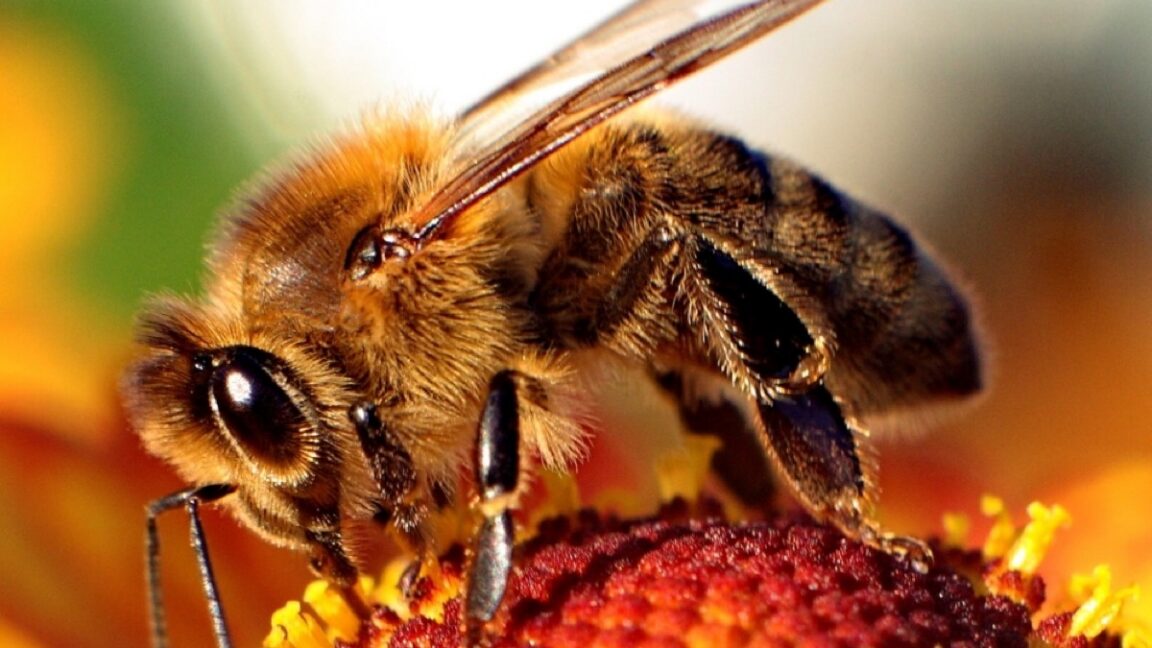
- Primary Wire Report: Credit: Ramirez-Esquivel et al 202 Credit: Ramirez-Esquivel et al 202 Honey bees are known to leave their stingers embedded in tender flesh once they sting you...
- Desk & Verification: Normalized under Technology desk via Ars Technica.
- Classification Status: DEVELOPING wire dispatches verified against institutional sources.
Jennifer Ouellette
ContributorContributing Reporter via Ars Technica
This article has been aggregated and formatted under Chronicle Global's editorial standards. Primary source reporting is attributed to originating news services and verified against public records.
Direct primary wire transmission originated by Ars Technica.
Source Transparency & Verification Dossier
Format: DEVELOPING
Retrieved / Published: Oct 13, 2026, 01:03 PM UTC
Content normalized through Chronicle Ingestion Engine.
Editorial StandardsThe Chronicle Morning Intelligence Briefing
Join 18,500+ global policy analysts, diplomats, and tech researchers. High-signal empirical dispatches delivered daily at 06:00 UTC.
Related Coverage & Developing Updates

Just 5 years in, interactive chatbot platform Character.AI files for bankruptcy
The startup will sell some of its assets to Disney for $20 million....

Phase Eight and Hobbs owner hit by cyber-attack, as H&M probes separate hack claim
TFG London has apologised to customers for disruption after it identified a "cybersecurity incident" on Sunday....

39-year-old unvaccinated woman becomes 6th measles death in Pennsylvania
A 39-year-old unvaccinated woman in Franklin County, Pennsylvania, has become the sixth person to die of the highly infectious virus amid a state outbreak that...