ChatGPT allegedly helped a North Carolina woman, Cheryl Gates, craft a “personalized plan” to poison her husband, James, after fueling her delusions that he planned to divorce her and leave her with nothing. A grand jury indicted Cheryl Gates on charges of attempted first-degree murder and food contamination in October. About a week prior, the accusations that ChatGPT was a co-conspirator in the attempted murder came in a lawsuit filed in San Francisco County Superior Court that was made public this week. In it, James Gates alleged that OpenAI and Sam Altman failed to employ technical safeguards to shut down Cheryl’s chats even after her queries became “obviously suspicious” and sought advice on how to execute and conceal a homicide. At first, Cheryl told ChatGPT that she was researching poisoning out of fear that her husband might possibly try to kill her—framing her queries as “self-protection.” Coming to the rescue, ChatGPT did not terminate the conversation. Instead, it helped her “with specific instructions for the preparation, dosage, and administration of Oleander, including whether anti-nausea medicine would accelerate or inhibit death, whether it would show on an autopsy report, and whether it could be injected into a vein or muscle instead of being ingested in tea and have the same lethal effect,” the lawsuit said.
Lawsuit: Man introduced his wife to ChatGPT. She used it to plan his murder.
ChatGPT allegedly helped a North Carolina woman, Cheryl Gates, craft a “personalized plan” to poison her husband, James, after fueling her delusions that he...

- Primary Wire Report: ChatGPT allegedly helped a North Carolina woman, Cheryl Gates, craft a “personalized plan” to poison her husband, James, after fueling her delusions that he...
- Desk & Verification: Normalized under Technology desk via Ars Technica.
- Classification Status: DEVELOPING wire dispatches verified against institutional sources.
Ashley Belanger
ContributorContributing Reporter via Ars Technica
This article has been aggregated and formatted under Chronicle Global's editorial standards. Primary source reporting is attributed to originating news services and verified against public records.
Direct primary wire transmission originated by Ars Technica.
Source Transparency & Verification Dossier
Format: DEVELOPING
Retrieved / Published: Nov 5, 2026, 09:39 PM UTC
Content normalized through Chronicle Ingestion Engine.
Editorial StandardsThe Chronicle Morning Intelligence Briefing
Independent global intelligence and primary wire coverage. High-signal empirical dispatches delivered daily at 06:00 UTC.
Related Coverage & Developing Updates

British soldier ignored order to pull his SIM card, then got blackmailed
An Estonian newspaper recently revealed that a British soldier disobeyed a direct order to remove the SIM card from his cellphone before being deployed to a...
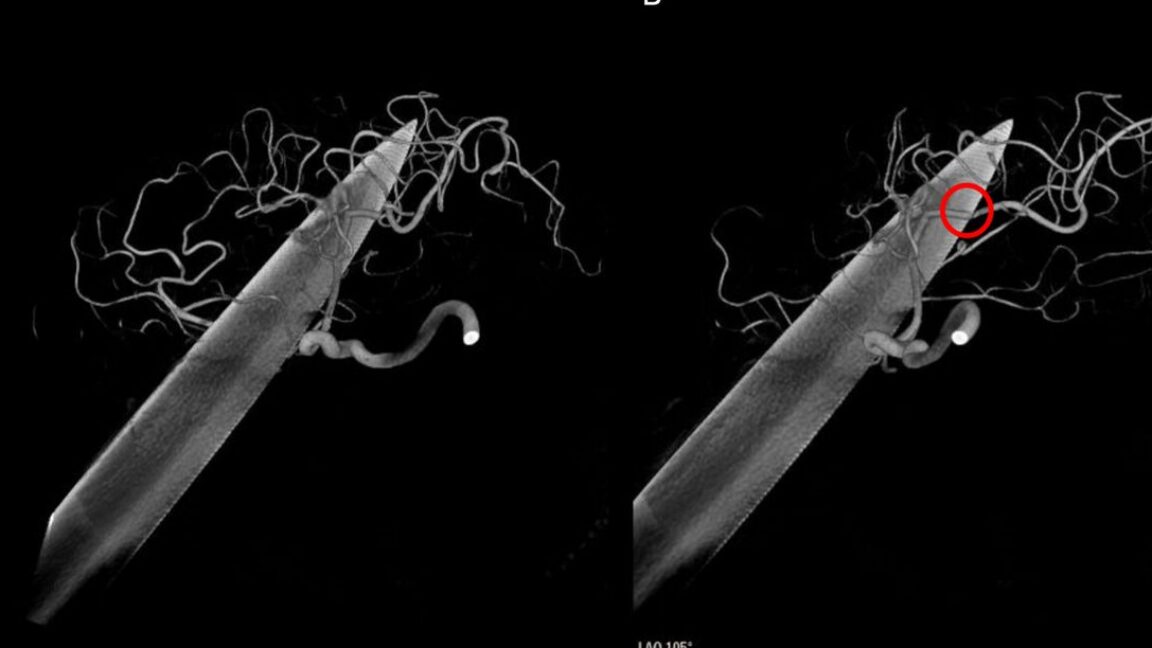
Man unexpectedly recovers from a knife wound through his eye and brain
A man in his 20s showed up to a UK hospital with the hilt of a knife sticking out of his face.

Ships loiter near subsea cables amid Iran's warnings to Trump
Several tanker ships linked to Iran have been loitering over subsea Internet cables in the Gulf of Oman near the Strait of Hormuz—a possible indication that...