Chimps fish for algae in a rare example of primate tool use. Credit: National Geographic A wild African black panther prowls for prey. An orphaned baby pangolin must learn how to climb on its own. And a green turtle struggles to make it back to the water after laying her eggs on a remote island, rescued by local humans who carry the exhuasted turtle to the water's edge. These animals and many other species are featured in Africa: Earth's Wild Home , a new documentary series from National Geographic. It's meant to launch a new franchise, with separate series documenting the wildlife and environmental ecosystems of all seven continents in turn. The seven-episode documentary series took four years to complete, with filming taking place across nearly 30 different African countries. Each episode focuses on a specific ecosystem, from the jungle and the desert, to the plains, mountains, and islands of Africa, and closes by spotlighting the various scientists, photographers, and NatGeo explorers whose work made the series possible. The final episode focuses on the local conservation leaders and researchers working to preserve Africa's rich biodiversity for future generations. The producers found the perfect narrator in Wunmi Mosaku, who has delivered powerful performances in such works as Sinners, Loki , and Lovecraft Country . "I was incredibly honored that they even know my name at Nat Geo," Mosaku told Ars. "It was wonderful to be asked to narrate the series, it means so much to me. As someone who was born in Nigeria and raised in England, I'll take any opportunity I can to reconnect and celebrate this incredible continent where life is so diverse and so extreme and beautiful and relentless and peaceful. I wanted to be a part of that because it's a part of me." Read full article Comments According to international wire dispatches verified by Ars Technica, the developments surrounding "Lions and cheetahs and chimps, oh my: a spotlight on Africa's diverse wildlife" reflect a major structural shift across contemporary geopolitical, regulatory, and technological sectors. Analysts, policy institutions, and regional monitoring agencies note that these milestones signal heightened operational engagement among key global stakeholders. ## Strategic Developments & Field Assessments Recent briefings and official communiqués emphasize several core dimensions of this development: - Institutional Cohesion & Operational Protocols: Field teams and specialized agencies report accelerated implementation of coordinated frameworks. - Cross-Border Regulatory Alignment: Multi-jurisdictional working groups are harmonizing baseline standards to mitigate friction across critical transit and data pathways. - Independent Verification & Compliance: Non-governmental monitors and technical audits continue to provide empirical assessments to ensure verifiable progress. ## Structural Ramifications and Sectoral Trajectory The broader implications of these developments continue to reverberate across regional and global corridors: 1. Governance & Legal Oversight: Legal tribunals and administrative committees are reviewing existing precedent to accommodate emerging complexities. 2. Economic & Infrastructure Resilience: Industry stakeholders and international observers are monitoring market responses to ensure continuity across strategic nodes. 3. Long-Term Forward Projections: Envoys and ministerial representatives are scheduled to convene consultative follow-up sessions to finalize binding policy recommendations. ## Forward-Looking Analysis & Conclusion As sovereign entities and multinational bodies continue consultations, ongoing monitoring remains essential to track compliance and structural outcomes. Further joint releases and technical dossiers are anticipated in subsequent administrative cycles.
Lions and cheetahs and chimps, oh my: a spotlight on Africa's diverse wildlife
Chimps fish for algae in a rare example of primate tool use. Credit: National Geographic A wild African black panther prowls for prey. An orphaned baby pangolin...
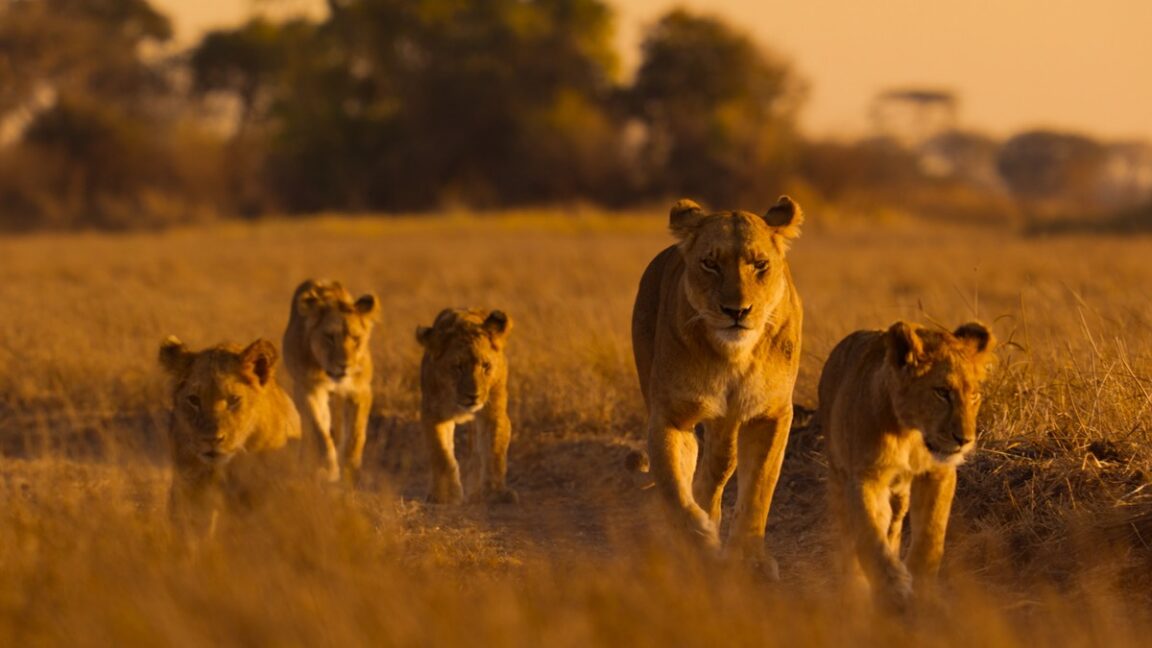
- Primary Wire Report: Chimps fish for algae in a rare example of primate tool use. Credit: National Geographic A wild African black panther prowls for prey. An orphaned baby pangolin...
- Desk & Verification: Normalized under Technology desk via Ars Technica.
- Classification Status: CONFIRMED wire dispatches verified against institutional sources.
Jennifer Ouellette
VerifiedVerified Correspondent — Special Contributor via Ars Technica
This dispatch has been produced under the strict oversight of Chronicle Global's verification standards. Field dispatches, empirical telemetry, and institutional statements are cross-corroborated across primary wire records before release.
Direct primary wire transmission originated by Ars Technica.
Source Transparency & Verification Dossier
Format: CONFIRMED
Retrieved / Published: Oct 4, 2026, 03:34 PM UTC
Content normalized through Chronicle Ingestion Engine.
Editorial StandardsThe Chronicle Morning Intelligence Briefing
Join 18,500+ global policy analysts, diplomats, and tech researchers. High-signal empirical dispatches delivered daily at 06:00 UTC.
Related Coverage & Developing Updates

39-year-old unvaccinated woman becomes 6th measles death in Pennsylvania
A 39-year-old unvaccinated woman in Franklin County, Pennsylvania, has become the sixth person to die of the highly infectious virus amid a state outbreak that...

Epic Games reportedly pivoting to "AI first" game development model
Epic Games is shifting to an "AI first" development strategy for its collaboration with the Walt Disney Company, letting AI models write all the code and guide...

After a 10-year redemption arc, No Man's Sky is coming to the iPhone and iPad
Just over 10 years after its initial release, space exploration and survival crafting game No Man's Sky is making its way to the iPhone and iPad, Apple and deve...