Devices running some configurations of Alpine Linux, and possibly other distributions, are affected by a decade-old vulnerability that allows attackers to log into devices with no password. The vulnerability exists in the interaction between OpenSSH, the code library implementing SSH connections, and musl, a lightweight alternative to the libc library that, unlike most other Linux distributions, is used in Alpine. Further, OpenSSH using musl (pronounced muscle) must not use PAM (pluggable authentication modules), a framework that handles user authentication and account-access checks. Alpine is a lightweight, widely used Linux distribution. Other platforms may be affected if they use the same configurations. One connection, works every time, needs no retries There are two other conditions necessary for successful exploitation. First, a system must have at least one user account that’s accessible using a password that is hashed using the SHA256 or SHA512 functions. Second, the target system account must be configured to be passwordless, by way of specifying a "*" in the password field in /etc/shadow, the Linux file where password hashes are stored. Passwordless accounts are commonly used for accounts that use certificate-based authentication. This setting is common for certain types of accounts.
Meet *sshole, the vulnerability that lets hackers SSH into Linux devices
Devices running some configurations of Alpine Linux, and possibly other distributions, are affected by a decade-old vulnerability that allows attackers to...

- Primary Wire Report: Devices running some configurations of Alpine Linux, and possibly other distributions, are affected by a decade-old vulnerability that allows attackers to...
- Desk & Verification: Normalized under Technology desk via Ars Technica.
- Classification Status: DEVELOPING wire dispatches verified against institutional sources.
Dan Goodin
ContributorContributing Reporter via Ars Technica
This article has been aggregated and formatted under Chronicle Global's editorial standards. Primary source reporting is attributed to originating news services and verified against public records.
Direct primary wire transmission originated by Ars Technica.
Source Transparency & Verification Dossier
Format: DEVELOPING
Retrieved / Published: Nov 5, 2026, 11:09 PM UTC
Content normalized through Chronicle Ingestion Engine.
Editorial StandardsThe Chronicle Morning Intelligence Briefing
Independent global intelligence and primary wire coverage. High-signal empirical dispatches delivered daily at 06:00 UTC.
Related Coverage & Developing Updates

British soldier ignored order to pull his SIM card, then got blackmailed
An Estonian newspaper recently revealed that a British soldier disobeyed a direct order to remove the SIM card from his cellphone before being deployed to a...
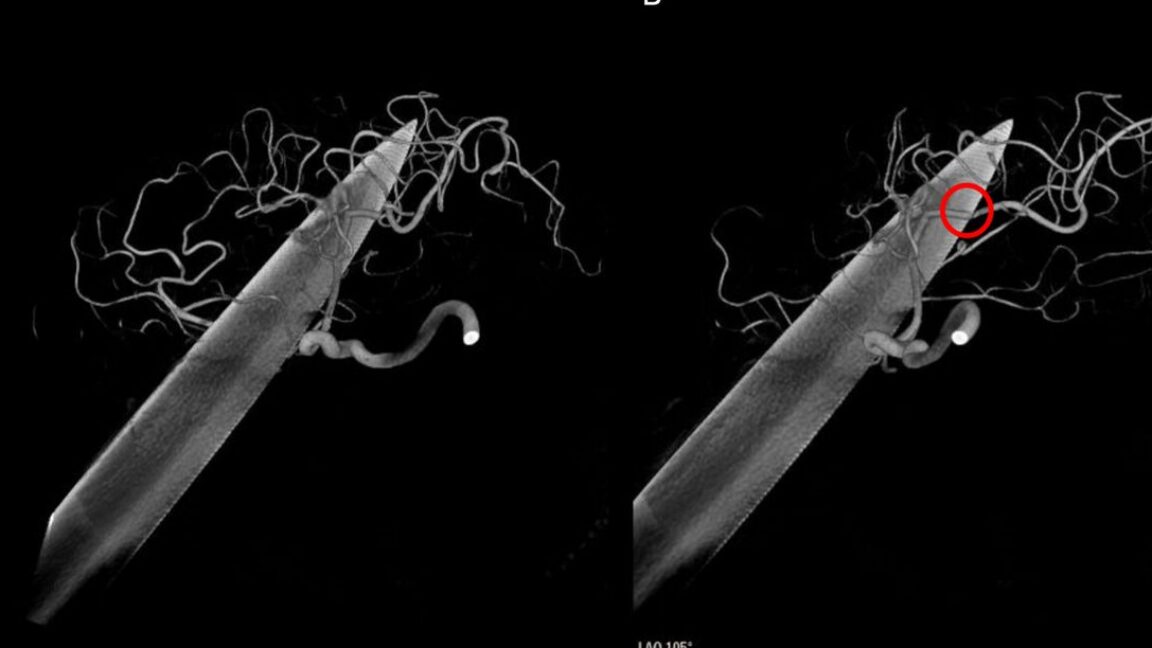
Man unexpectedly recovers from a knife wound through his eye and brain
A man in his 20s showed up to a UK hospital with the hilt of a knife sticking out of his face.

Ships loiter near subsea cables amid Iran's warnings to Trump
Several tanker ships linked to Iran have been loitering over subsea Internet cables in the Gulf of Oman near the Strait of Hormuz—a possible indication that...