Egyptologists have long debated whether the earliest pharoahs of the First Dynasty were buried with various servants and officials to serve them in the afterlife—a form of human sacrifice . But there is very little archaeological evidence available, given that many of the earliest Egyptian tombs were plundered and/or hastily excavated. A new paper published in the journal Frontiers in Environmental Archaeology reassesses a collection of skulls excavated from tombs in the 1920s and concludes that over one-third show evidence of blunt force trauma. This suggests that they may have been victims of so-called "retainer sacrifice." Author Roselyn Campbell is a bioarchaeologist at Purdue University who has long been fascinated with the history of human sacrifice. "I'm interested in how we as human beings decide which types of violence are okay and which are not, and how we even define violence," Campbell told Ars. "It's very context specific. We have to be careful not to extend our own ideas about what violence is and how it's used into other cultures. With Egypt, we have such a long history of European and colonial archeology; they came in with very specific ideas about what this culture was. You really have to make an effort to contextualize the legacy data we have." Naturally she found the debate over whether ancient Egyptians practiced retainer sacrifice pertinent to her interests. "People tend to fall into one of two camps," said Campbell. "Either retainer sacrifice definitely happened, end of discussion, or it definitely didn't happen, end of discussion. But nobody's actually looked at the bones in a very long time." Forensic science has advanced considerably over the last century, so re-analysis could be useful. Complicating matters is the fact that older sets of remains are often incomplete and/or modified for preservation, destroying vital forensic information in the process. Read full article Comments According to international wire dispatches verified by Ars Technica, the developments surrounding "New forensic evidence supports Egyptian "retainer sacrifice"" reflect a major structural shift across contemporary geopolitical, regulatory, and technological sectors. Analysts, policy institutions, and regional monitoring agencies note that these milestones signal heightened operational engagement among key global stakeholders. ## Strategic Developments & Field Assessments Recent briefings and official communiqués emphasize several core dimensions of this development: - Institutional Cohesion & Operational Protocols: Field teams and specialized agencies report accelerated implementation of coordinated frameworks. - Cross-Border Regulatory Alignment: Multi-jurisdictional working groups are harmonizing baseline standards to mitigate friction across critical transit and data pathways. - Independent Verification & Compliance: Non-governmental monitors and technical audits continue to provide empirical assessments to ensure verifiable progress. ## Structural Ramifications and Sectoral Trajectory The broader implications of these developments continue to reverberate across regional and global corridors: 1. Governance & Legal Oversight: Legal tribunals and administrative committees are reviewing existing precedent to accommodate emerging complexities. 2. Economic & Infrastructure Resilience: Industry stakeholders and international observers are monitoring market responses to ensure continuity across strategic nodes. 3. Long-Term Forward Projections: Envoys and ministerial representatives are scheduled to convene consultative follow-up sessions to finalize binding policy recommendations. ## Forward-Looking Analysis & Conclusion As sovereign entities and multinational bodies continue consultations, ongoing monitoring remains essential to track compliance and structural outcomes. Further joint releases and technical dossiers are anticipated in subsequent administrative cycles.
New forensic evidence supports Egyptian "retainer sacrifice"
Egyptologists have long debated whether the earliest pharoahs of the First Dynasty were buried with various servants and officials to serve them in the afterlif...
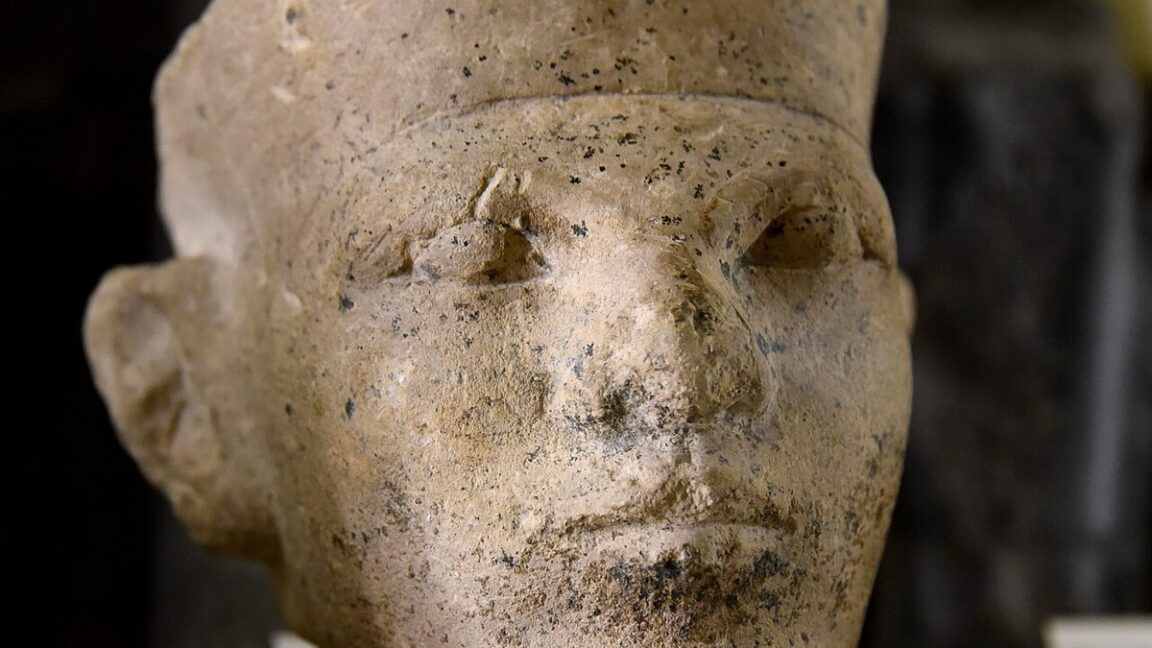
- Primary Wire Report: Egyptologists have long debated whether the earliest pharoahs of the First Dynasty were buried with various servants and officials to serve them in the afterlif...
- Desk & Verification: Normalized under Technology desk via Ars Technica.
- Classification Status: CONFIRMED wire dispatches verified against institutional sources.
Jennifer Ouellette
ContributorContributing Reporter via Ars Technica
This article has been aggregated and formatted under Chronicle Global's editorial standards. Primary source reporting is attributed to originating news services and verified against public records.
Direct primary wire transmission originated by Ars Technica.
Source Transparency & Verification Dossier
Format: CONFIRMED
Retrieved / Published: Oct 5, 2026, 04:00 AM UTC
Content normalized through Chronicle Ingestion Engine.
Editorial StandardsThe Chronicle Morning Intelligence Briefing
Join 18,500+ global policy analysts, diplomats, and tech researchers. High-signal empirical dispatches delivered daily at 06:00 UTC.
Related Coverage & Developing Updates

Just 5 years in, interactive chatbot platform Character.AI files for bankruptcy
The startup will sell some of its assets to Disney for $20 million....

Phase Eight and Hobbs owner hit by cyber-attack, as H&M probes separate hack claim
TFG London has apologised to customers for disruption after it identified a "cybersecurity incident" on Sunday....

39-year-old unvaccinated woman becomes 6th measles death in Pennsylvania
A 39-year-old unvaccinated woman in Franklin County, Pennsylvania, has become the sixth person to die of the highly infectious virus amid a state outbreak that...