It’s not easy to extract iron from its ore. But the peoples of the ancient city of Great Zimbabwe—the capital of a thriving kingdom in southern Africa between 1000 to 1700 AD—were masters. At sites near the city’s stone ruins, clusters of iron-smelting furnaces survive today as mounds of rubble. At Mashava, a village 25 miles northwest, fragments bear fingermarks of those who long ago smoothed the structures’ clay interiors. Some of the furnaces were nearly an adult’s arm span in width, with walls thick and strong to contain the heat of more than 2,100° Fahrenheit needed to smelt iron. Unlike other furnaces that required workers to force air into them with bellows, these were designed to suck air in, then out through a chimney, no human labor required. This would have made it significantly easier to produce the iron, which was fashioned into hoes, axes, and arrowheads.
The migration that transformed Africa's languages, genes, and cultures
It’s not easy to extract iron from its ore.
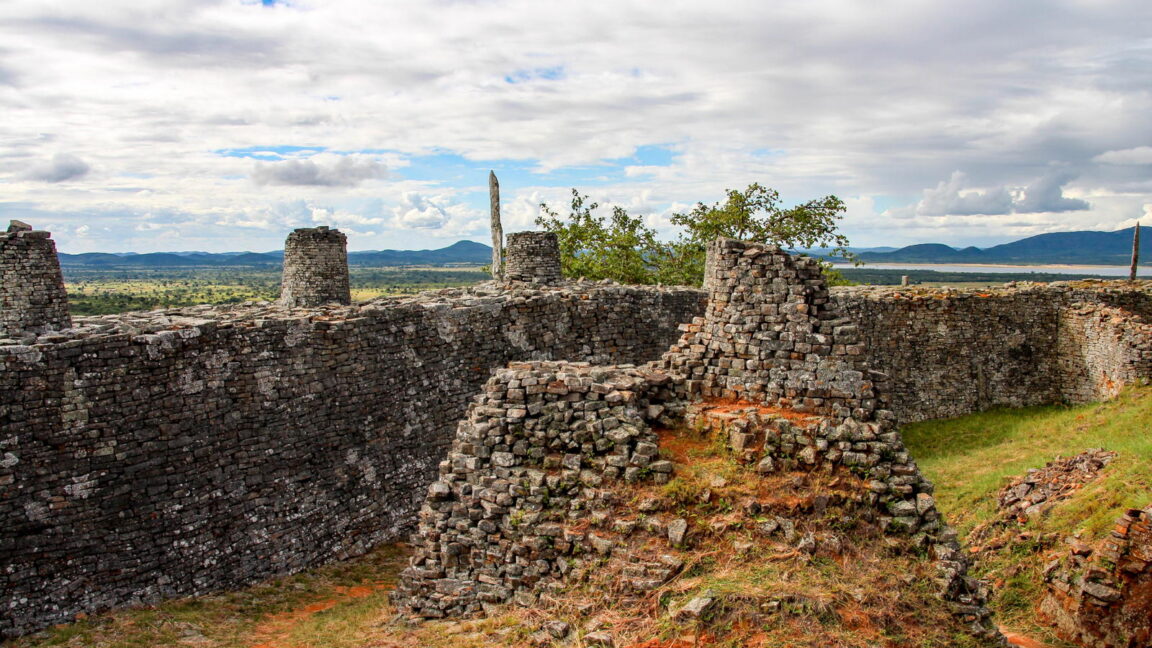
- Primary Wire Report: It’s not easy to extract iron from its ore.
- Desk & Verification: Normalized under Science & Discovery desk via Ars Technica.
- Classification Status: DEVELOPING wire dispatches verified against institutional sources.
Katarina Zimmer, Knowable Magazine
ContributorContributing Reporter via Ars Technica
This article has been aggregated and formatted under Chronicle Global's editorial standards. Primary source reporting is attributed to originating news services and verified against public records.
Direct primary wire transmission originated by Ars Technica.
Source Transparency & Verification Dossier
Format: DEVELOPING
Retrieved / Published: Nov 7, 2026, 12:15 PM UTC
Content normalized through Chronicle Ingestion Engine.
Editorial StandardsThe Chronicle Morning Intelligence Briefing
Independent global intelligence and primary wire coverage. High-signal empirical dispatches delivered daily at 06:00 UTC.
Related Coverage & Developing Updates

Different text genres help doctoral students adapt their writing to reach new readers
An academic abstract, a blog post and a public outreach article all place different demands on the writer.

The introduction of a medieval public health system exposed the population to roundworm
Medieval health and sanitation efforts involved deliberate interventions; however, some of these measures had the opposite effect, leading to an increased...
APOD: 2026 November 7 – De Gerlache-Kocher Massif
APOD Science APOD APOD: 2026 November 7 –… Today’s APOD Archive Submissions Index Search Calendar RSS Education About Discuss APOD Astronomy Picture of the...