When it comes to deciding the fate of the planet, Colleen Golja always thought science and reason would have a seat at the table. That was until one morning last September in London, when the climate researcher took part in the first in a series of war games. The goal: to prevent an uncontrolled global race to develop a technology aimed at cooling the planet but that comes with vast, unknown risks that could reshape life on Earth. “I thought that would be such an easy thing. Like, we can all agree to do ethical research and make sure it's for the better of all humans,” she told WIRED. “And boy, was I wrong.” The simulation, titled Exploring Geopolitical Tipping Points and Climate Cooling Strategies, saw a couple dozen foreign-relations experts, scientists, military personnel, and former government officials from across the world convene in a meeting room at Queen Mary University of London. After making introductions over coffee and little yogurts, they sat at tables arranged in a square with the name of the country or organization each person was playing: national governments, climate NGOs and nonprofits, indigenous groups, and tech companies. Golja was assigned to provide technical advice to help participants make scientifically literate decisions. Read full article Comments
They war-gamed dimming the Sun. It went even worse than you think.
When it comes to deciding the fate of the planet, Colleen Golja always thought science and reason would have a seat at the table. That was until one morning las...
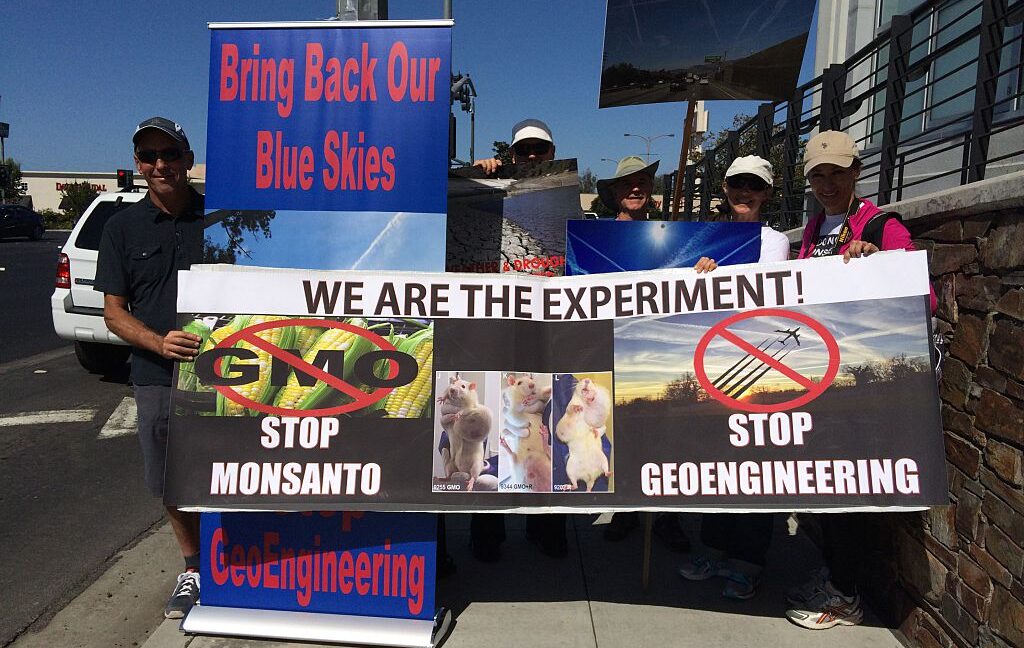
- Primary Wire Report: When it comes to deciding the fate of the planet, Colleen Golja always thought science and reason would have a seat at the table. That was until one morning las...
- Desk & Verification: Normalized under Technology desk via Ars Technica.
- Classification Status: DEVELOPING wire dispatches verified against institutional sources.
Karl Mathiesen, WIRED.com
ContributorContributing Reporter via Ars Technica
This article has been aggregated and formatted under Chronicle Global's editorial standards. Primary source reporting is attributed to originating news services and verified against public records.
Direct primary wire transmission originated by Ars Technica.
Source Transparency & Verification Dossier
Format: DEVELOPING
Retrieved / Published: Oct 13, 2026, 03:17 PM UTC
Content normalized through Chronicle Ingestion Engine.
Editorial StandardsThe Chronicle Morning Intelligence Briefing
Join 18,500+ global policy analysts, diplomats, and tech researchers. High-signal empirical dispatches delivered daily at 06:00 UTC.
Related Coverage & Developing Updates

The Paris Auto Show is full of interesting cars Americans can’t have
Perhaps the days when auto shows debuted new models aren’t entirely over. The big trade shows for cars were a gateway drug for many, expos where you could see t...

Google wants to host your personal vibe-coded apps in the Play Store
Google has already added a few AI features to the Play Store, but a lot more are coming . The previously released Ask Play feature is expanding to offer more AI...

Gemini 4 Argon begins rolling out in Gemini app and Antigravity, but only if you pay
Google revealed Gemini 4 Argon a few weeks ago, saying that it needed to move cautiously toward a full release because of the potential for nefarious use. Googl...