A new report from the analytics firm Quilty Space confirms that, outside of China, the world faces a significant shortage of rockets over the next five years. The firm estimates that between now and 2030, there will be a shortfall of about 150 launches compared to demand from satellite operators and civil space agencies. If demand from the US military is added in—and SpaceX does not extend the Falcon 9 and Falcon Heavy program to accommodate increased national security needs—the shortage could be doubled. "What we wanted to get at is to understand how severe this launch crisis is and when will it be resolved," said Caleb Henry, director of research at Quilty Space. "What we learned is that the launch crisis is more severe than we thought and that it will not go away this decade for sure, and it might not abate until sometime late in the 2030s."
Analysts find looming launch crisis is "more severe" than anticipated
A new report from the analytics firm Quilty Space confirms that, outside of China, the world faces a significant shortage of rockets over the next five years.
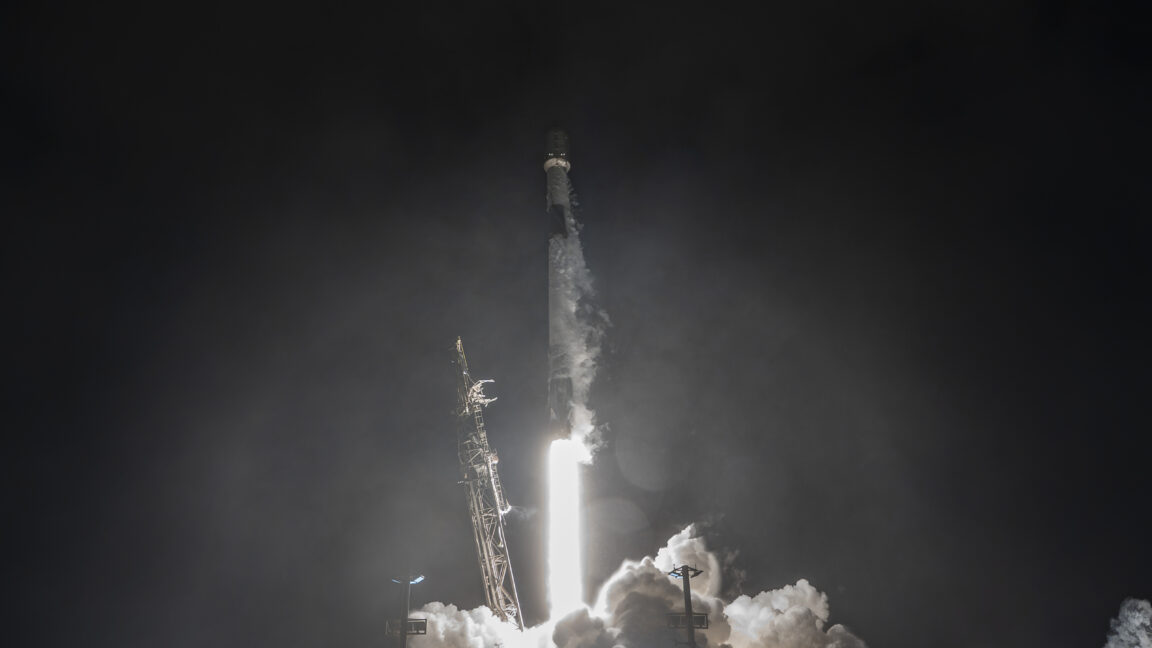
- Primary Wire Report: A new report from the analytics firm Quilty Space confirms that, outside of China, the world faces a significant shortage of rockets over the next five years.
- Desk & Verification: Normalized under Space & Astronomy desk via Ars Technica.
- Classification Status: DEVELOPING wire dispatches verified against institutional sources.
Eric Berger
ContributorContributing Reporter via Ars Technica
This article has been aggregated and formatted under Chronicle Global's editorial standards. Primary source reporting is attributed to originating news services and verified against public records.
Direct primary wire transmission originated by Ars Technica.
Source Transparency & Verification Dossier
Format: DEVELOPING
Retrieved / Published: Oct 30, 2026, 04:12 PM UTC
Content normalized through Chronicle Ingestion Engine.
Editorial StandardsThe Chronicle Morning Intelligence Briefing
Independent global intelligence and primary wire coverage. High-signal empirical dispatches delivered daily at 06:00 UTC.
Related Coverage & Developing Updates
NASA Seeks Next Generation of Explorers to Join Astronaut Corps
NASA announced its 2025 Astronaut Candidate Class on Sept.
You know the launch market is tough when satellite companies start building rockets
There are optimistic plans for spaceflight, and then there are optimistic plans.
M30’s Sparkling Stars
Sarajedini This NASA/ESA Hubble Space Telescope image released Nov.