APOD Science APOD APOD: 2026 November 6 – A… Today’s APOD Archive Submissions Index Search Calendar RSS Education About Discuss APOD Astronomy Picture of the Day Discover the cosmos! Each day a different image or photograph of our fascinating universe is featured, along with a brief explanation written by a professional astronomer. A Farewell to Swift Explanation: It is time to say goodbye to NASA ‘s Neil Gehrels Swift Observatory . After nearly 22 years of service, the satellite re-entered Earth’s atmosphere on November 4 at 7:39 EST over the North Sumatra region of Indonesia . The featured image is a mosaic created in 2018 using the first one million images captured by the satellite’s Ultraviolet/Optical Telescope . Swift had a combination of instruments, including an X-ray telescope and a gamma-ray telescope , that worked together to enable humanity to study, in unprecedented detail, the fastest and most energetic explosions in the universe. The most recent solar maximum accelerated the decay of the satellite’s orbit. An innovative mission to rescue Swift by boosting its orbit was not successful . Swift burned on reentry like a shooting star, but the impressive data acquired by the telescope over its mission will continue to bring light to the mysteries of the cosmos for years to come. May it keep inspiring new missions to boldly go into space, explore new data and seek out new science. Tomorrow’s picture: what’s next? Date November 6, 2026 Credit NASA / Swift and AndreaMosaic Authors & editors: Cecilia Chirenti, Robert Nemiroff, Jerry Bonnell, Keighley Rockcliffe A service of: ASD at NASA / GSFC , NASA Science Activation & Michigan Tech. U. Random APOD Generator Yesterday’s Image APOD: 2026 November 5 – Enceladus in Silhouette Tomorrow’s Image
APOD: 2026 November 6 – A Farewell to Swift
APOD Science APOD APOD: 2026 November 6 – A… Today’s APOD Archive Submissions Index Search Calendar RSS Education About Discuss APOD Astronomy Picture of...
- Primary Wire Report: APOD Science APOD APOD: 2026 November 6 – A… Today’s APOD Archive Submissions Index Search Calendar RSS Education About Discuss APOD Astronomy Picture of...
- Desk & Verification: Normalized under Science & Discovery desk via NASA Breaking News.
- Classification Status: DEVELOPING wire dispatches verified against institutional sources.
NASA Breaking News
Wire AgencyContributing Wire Agency — Syndicated via NASA Breaking News
This article has been aggregated and formatted under Chronicle Global's editorial standards. Primary source reporting is attributed to originating news services and verified against public records.
Direct primary wire transmission originated by NASA Breaking News.
Source Transparency & Verification Dossier
Format: DEVELOPING
Retrieved / Published: Nov 6, 2026, 05:05 AM UTC
Content normalized through Chronicle Ingestion Engine.
Editorial StandardsThe Chronicle Morning Intelligence Briefing
Independent global intelligence and primary wire coverage. High-signal empirical dispatches delivered daily at 06:00 UTC.
Related Coverage & Developing Updates

Different text genres help doctoral students adapt their writing to reach new readers
An academic abstract, a blog post and a public outreach article all place different demands on the writer.

The introduction of a medieval public health system exposed the population to roundworm
Medieval health and sanitation efforts involved deliberate interventions; however, some of these measures had the opposite effect, leading to an increased...
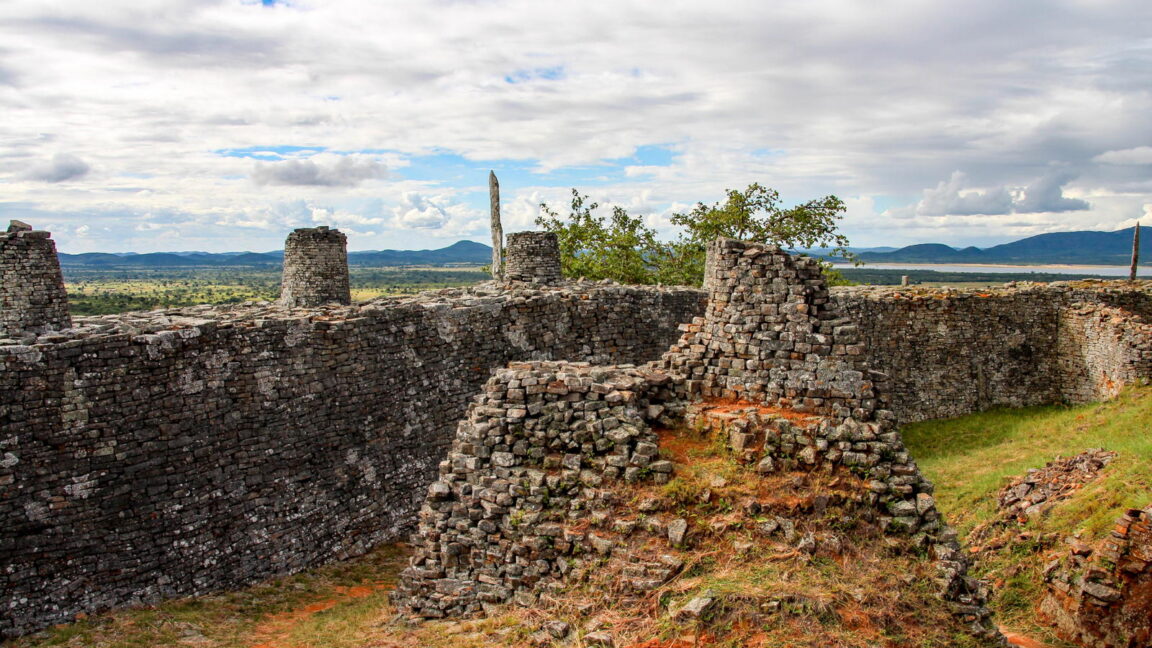
The migration that transformed Africa's languages, genes, and cultures
It’s not easy to extract iron from its ore.