OpenAI will begin automatically watermarking text generated with ChatGPT in the European Union, the company has announced. It will also offer the watermarking feature in other regions, but it will be off by default outside of the EU. The move in Europe is driven by a need to comply with the EU AI Act, which took effect in August. It requires marking content produced by AI models in a way that another tool can detect. Unfortunately, there is still no completely effective and reliable way to do that. A few standards already exist, like SynthID and the C2PA project, but they are relatively easy to circumvent for anyone with basic know-how. The same is likely true for OpenAI's watermark. Its method is proprietary; the company calls it textGrain, and has published a technical paper explaining how it works. But in general, it works like other LLM watermarking tools we've seen in the past: It puts patterns in the word choices that are not clear to a human reader, and that don't meaningfully change the general quality of the output, but that someone with a key can use a specialized detector to find. OpenAI says it will be giving access to the detector to a limited number of researchers and organizations, and providing a request-for-approval process for others to be added over time. Read full article Comments
OpenAI will watermark ChatGPT outputs by default—but only in the EU
OpenAI will begin automatically watermarking text generated with ChatGPT in the European Union, the company has announced. It will also offer the watermarking f...

- Primary Wire Report: OpenAI will begin automatically watermarking text generated with ChatGPT in the European Union, the company has announced. It will also offer the watermarking f...
- Desk & Verification: Normalized under Technology desk via Ars Technica.
- Classification Status: CONFIRMED wire dispatches verified against institutional sources.
Samuel Axon
ContributorContributing Reporter via Ars Technica
This article has been aggregated and formatted under Chronicle Global's editorial standards. Primary source reporting is attributed to originating news services and verified against public records.
Direct primary wire transmission originated by Ars Technica.
Source Transparency & Verification Dossier
Format: CONFIRMED
Retrieved / Published: Oct 6, 2026, 08:50 PM UTC
Content normalized through Chronicle Ingestion Engine.
Editorial StandardsThe Chronicle Morning Intelligence Briefing
Join 18,500+ global policy analysts, diplomats, and tech researchers. High-signal empirical dispatches delivered daily at 06:00 UTC.
Related Coverage & Developing Updates
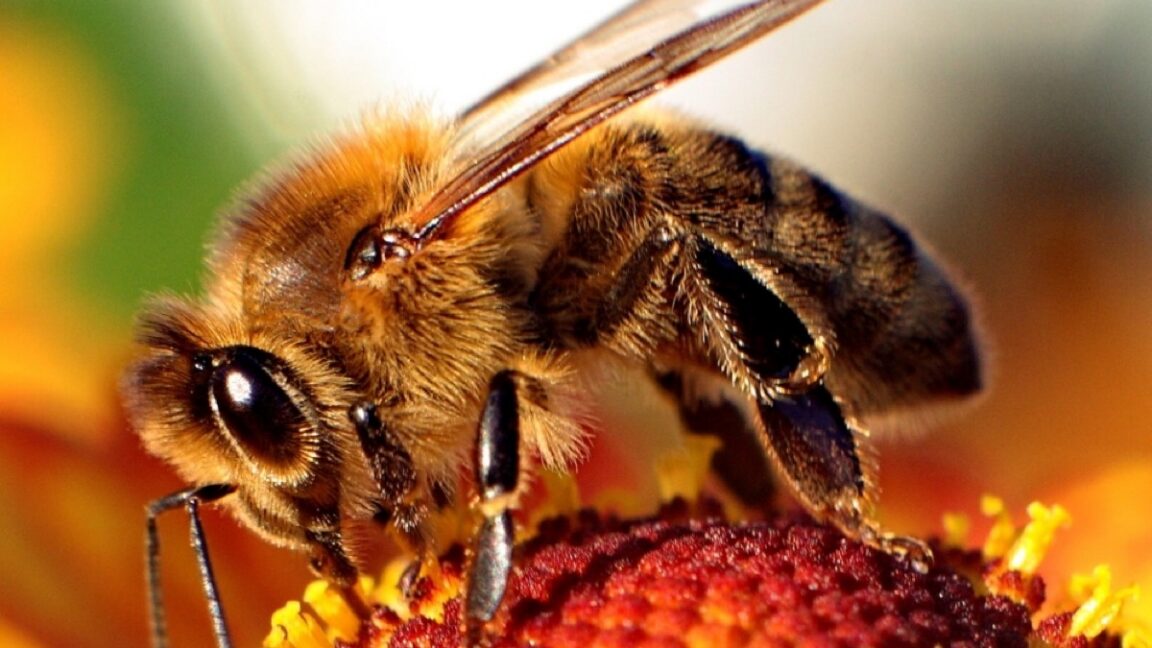
High-speed video reveals how honey bee stingers pump venom
Credit: Ramirez-Esquivel et al 202 Credit: Ramirez-Esquivel et al 202 Honey bees are known to leave their stingers embedded in tender flesh once they sting you...

Just 5 years in, interactive chatbot platform Character.AI files for bankruptcy
The startup will sell some of its assets to Disney for $20 million....

Phase Eight and Hobbs owner hit by cyber-attack, as H&M probes separate hack claim
TFG London has apologised to customers for disruption after it identified a "cybersecurity incident" on Sunday....