Space has plenty of room for more megaconstellations, but only if all operators are willing to share information about where their satellites are and where they're going, a top executive at SpaceX and its AI subsidiary said this week. Michael Nicolls, SpaceX's vice president for Starlink and president of Elon Musk's artificial intelligence company, xAI, used a presentation Tuesday at the International Astronautical Congress in Turkey as a clarion call for improved data-sharing among satellite operators. SpaceX's Starlink constellation now has more than 11,000 satellites, about two-thirds of all active spacecraft in low-Earth orbit. Radars and telescopes routinely track thousands more pieces of space junk. Read full article Comments The global technology and hardware manufacturing sector is navigating rapid infrastructural transformation, characterized by aggressive fabrication node transitions, complex supply-chain reconfigurations, and intensifying competition over next-generation computing standards.
SpaceX calls for better coordination in orbit after near-misses with Starlink
Space has plenty of room for more megaconstellations, but only if all operators are willing to share information about where their satellites are and where they...
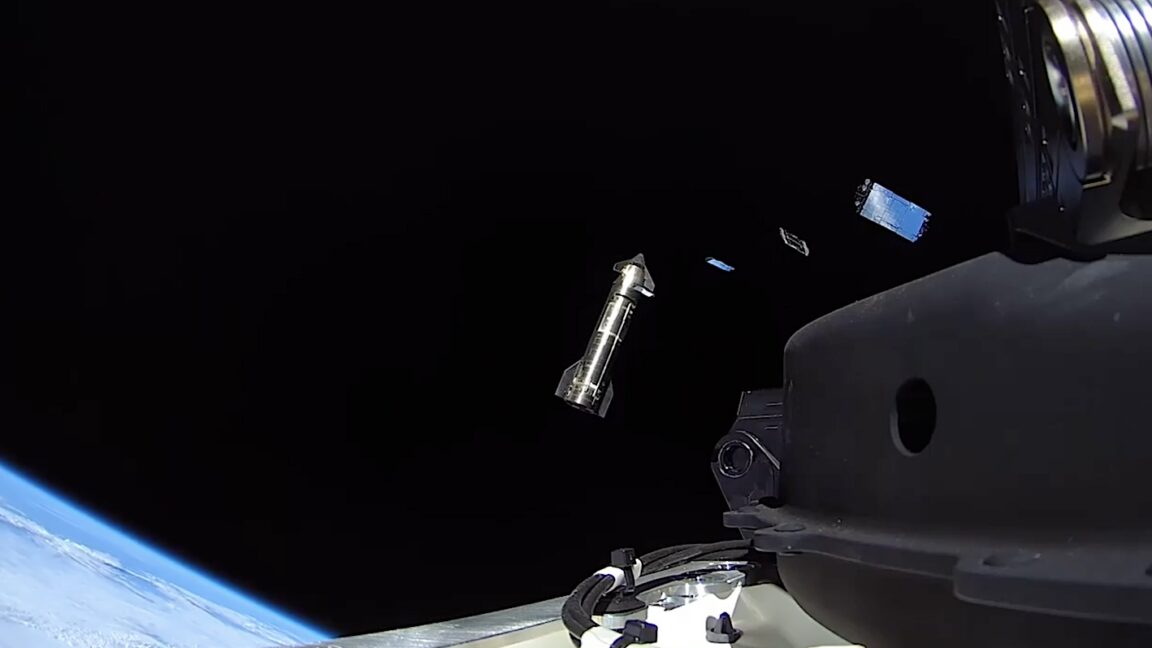
- Primary Wire Report: Space has plenty of room for more megaconstellations, but only if all operators are willing to share information about where their satellites are and where they...
- Desk & Verification: Normalized under Technology desk via Ars Technica.
- Classification Status: CONFIRMED wire dispatches verified against institutional sources.
Stephen Clark
ContributorContributing Reporter via Ars Technica
This article has been aggregated and formatted under Chronicle Global's editorial standards. Primary source reporting is attributed to originating news services and verified against public records.
Direct primary wire transmission originated by Ars Technica.
Source Transparency & Verification Dossier
Format: CONFIRMED
Retrieved / Published: Oct 8, 2026, 09:37 PM UTC
Content normalized through Chronicle Ingestion Engine.
Editorial StandardsThe Chronicle Morning Intelligence Briefing
Join 18,500+ global policy analysts, diplomats, and tech researchers. High-signal empirical dispatches delivered daily at 06:00 UTC.
Related Coverage & Developing Updates
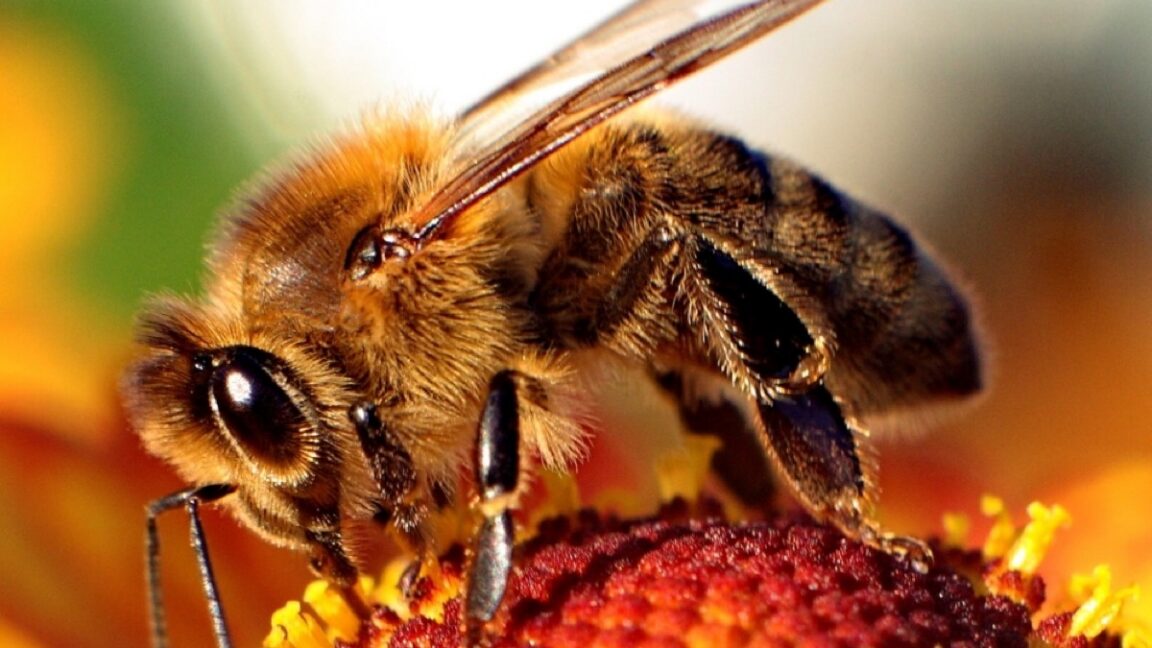
High-speed video reveals how honey bee stingers pump venom
Credit: Ramirez-Esquivel et al 202 Credit: Ramirez-Esquivel et al 202 Honey bees are known to leave their stingers embedded in tender flesh once they sting you...

Just 5 years in, interactive chatbot platform Character.AI files for bankruptcy
The startup will sell some of its assets to Disney for $20 million....

Phase Eight and Hobbs owner hit by cyber-attack, as H&M probes separate hack claim
TFG London has apologised to customers for disruption after it identified a "cybersecurity incident" on Sunday....