During World War II, physicists on the Manhattan Project worried that the Nazi German nuclear program might achieve the first nuclear bomb before the US and its allies. That's not what transpired, but historians have debated just how close the Germans came to achieving criticality in their last attempt at building a reactor: the B8 pile. Werner Heisenberg, who led that effort, claimed that they were close and had only needed a little more uranium. But according to a paper published in the Proceedings of the National Academy of Sciences Nexus, that was not the case: the project simply didn't have sufficient uranium and heavy water to build a working bomb, given the design they were using. This particular research started in 2013, when University of Maryland physicist Timothy Koeth—a co-author on the new paper—received the gift of a mysterious heavy metal cube from a friend. He instantly recognized it as one of the uranium cubes used by German scientists in their unsuccessful attempt to build a working nuclear reactor. Only 14 such cubes are known to exist today. In 2019, we reported on Koeth’s quest to track down the cube’s origins, as well as several other similar cubes that had somehow found their way across the Atlantic. At the time, Koeth and his partner in the quest, then-graduate student Miriam “Mimi” Hiebert, had tracked down ten such cubes around the US. For instance, the Smithsonian Institute had a German uranium cube in storage. They tracked a third cube to Harvard University, where it was regularly passed around to students in introductory physics classes as a curiosity.
Uranium cubes reveal why the German nuclear project failed
During World War II, physicists on the Manhattan Project worried that the Nazi German nuclear program might achieve the first nuclear bomb before the US and...

- Primary Wire Report: During World War II, physicists on the Manhattan Project worried that the Nazi German nuclear program might achieve the first nuclear bomb before the US and...
- Desk & Verification: Normalized under Science & Discovery desk via Ars Technica.
- Classification Status: DEVELOPING wire dispatches verified against institutional sources.
Jennifer Ouellette
ContributorContributing Reporter via Ars Technica
This article has been aggregated and formatted under Chronicle Global's editorial standards. Primary source reporting is attributed to originating news services and verified against public records.
Direct primary wire transmission originated by Ars Technica.
Source Transparency & Verification Dossier
Format: DEVELOPING
Retrieved / Published: Nov 4, 2026, 09:56 PM UTC
Content normalized through Chronicle Ingestion Engine.
Editorial StandardsThe Chronicle Morning Intelligence Briefing
Independent global intelligence and primary wire coverage. High-signal empirical dispatches delivered daily at 06:00 UTC.
Related Coverage & Developing Updates

Different text genres help doctoral students adapt their writing to reach new readers
An academic abstract, a blog post and a public outreach article all place different demands on the writer.

The introduction of a medieval public health system exposed the population to roundworm
Medieval health and sanitation efforts involved deliberate interventions; however, some of these measures had the opposite effect, leading to an increased...
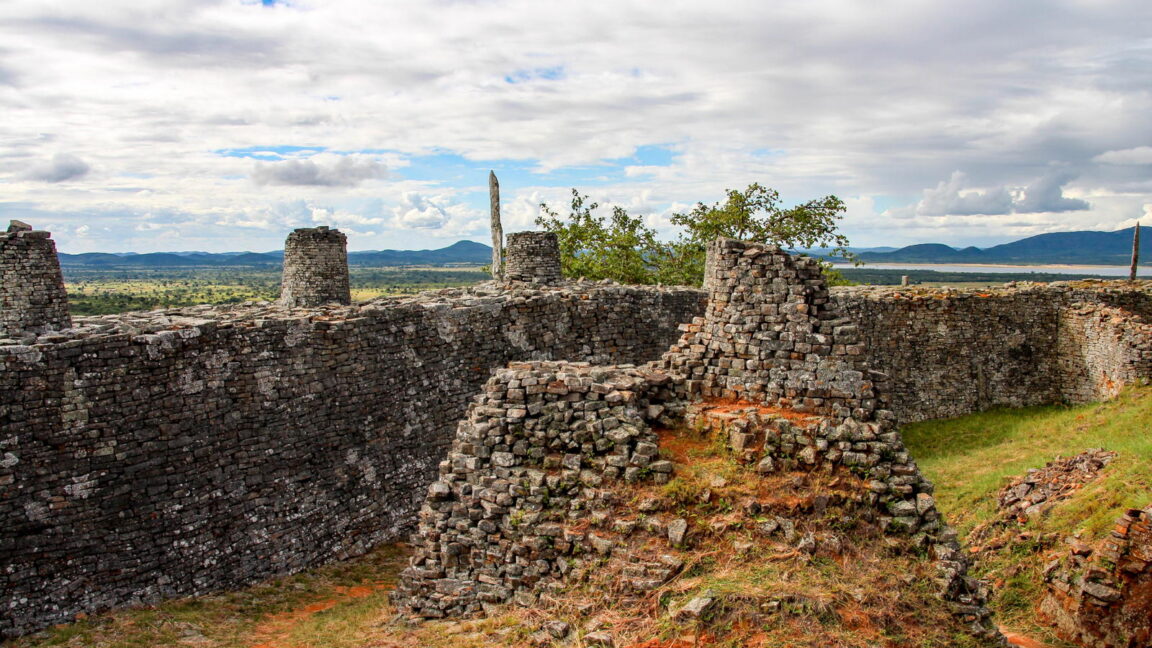
The migration that transformed Africa's languages, genes, and cultures
It’s not easy to extract iron from its ore.