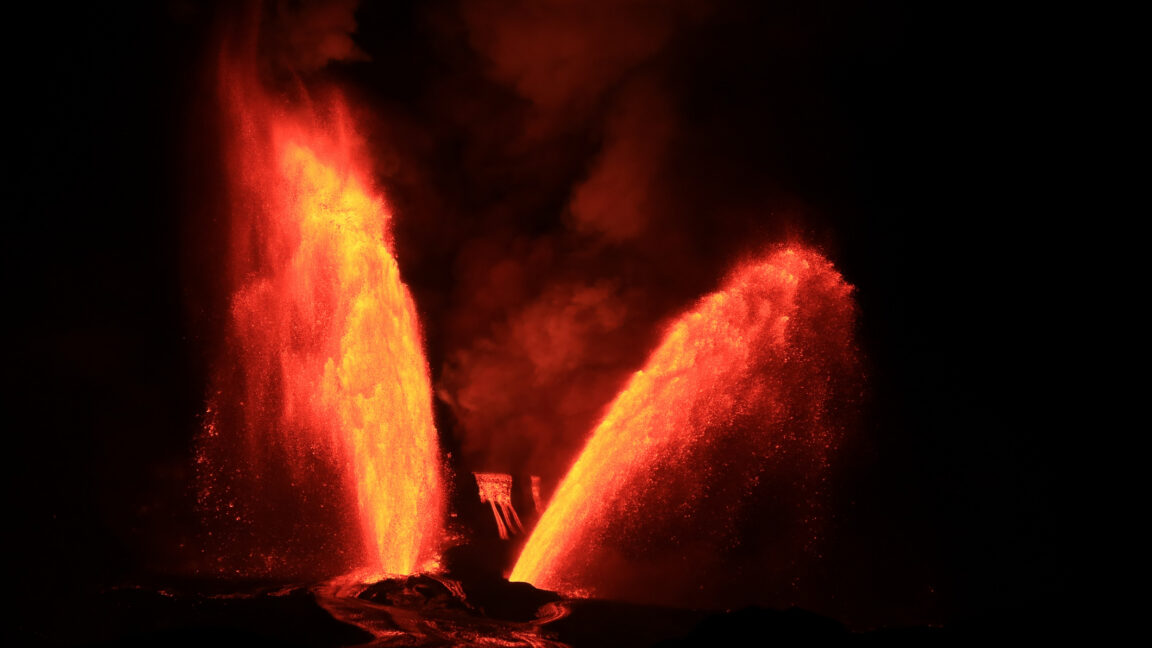
In most cases, hotspot-driven volcanism is relatively sedate, with lava flowing down mountainsides slowly enough that people can walk out of its way. But in a number of locations—Mount Etna, Hawaii, Iceland—lava gets expelled in dramatic fountains that can reach several hundred meters in height. Right now, we're not sure what powers them. However, thanks to a recent set of eruptions at the Kilauea volcano, we have some of the best documentation yet of erupting lava fountains. In a recent edition of Science, researchers from the US Geological Survey describe what we've seen and compare it with what we might expect based on our best ideas about what powers these fountains of molten rock. Years of fountains With three active volcanic regions that engage in fountaining, there has been a steady flow of dramatic videos of red-hot molten rock spouting from the Earth. But Kilauea has had only three fountaining episodes since 1823, even though it's the youngest and most active volcano in Hawaii. That activity has led to intensive study, and we have a good idea of the volcano's structure. Previous work has identified a couple of lava residues within a few kilometers of the surface, and the volcano had 35 separate data-gathering stations set up on Kilauea, including "seismic, infrasound, geodetic, gas, and visual and thermal cameras." Read full article Comments
What's been driving Hawaii's lava fountains?
In most cases, hotspot-driven volcanism is relatively sedate, with lava flowing down mountainsides slowly enough that people can walk out of its way. But in a n...
- Primary Wire Report: In most cases, hotspot-driven volcanism is relatively sedate, with lava flowing down mountainsides slowly enough that people can walk out of its way. But in a n...
- Desk & Verification: Normalized under Technology desk via Ars Technica.
- Classification Status: CONFIRMED wire dispatches verified against institutional sources.
John Timmer
ContributorContributing Reporter via Ars Technica
This article has been aggregated and formatted under Chronicle Global's editorial standards. Primary source reporting is attributed to originating news services and verified against public records.
Direct primary wire transmission originated by Ars Technica.
Source Transparency & Verification Dossier
Format: CONFIRMED
Retrieved / Published: Oct 9, 2026, 09:05 PM UTC
Content normalized through Chronicle Ingestion Engine.
Editorial StandardsThe Chronicle Morning Intelligence Briefing
Join 18,500+ global policy analysts, diplomats, and tech researchers. High-signal empirical dispatches delivered daily at 06:00 UTC.
Related Coverage & Developing Updates
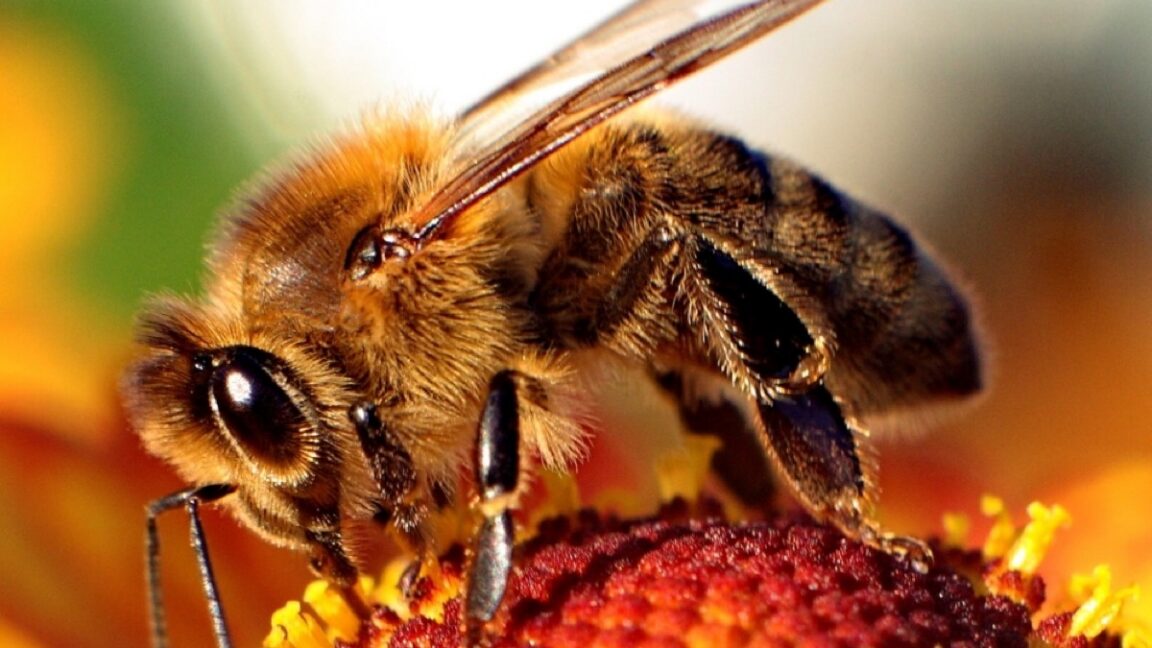
High-speed video reveals how honey bee stingers pump venom
Credit: Ramirez-Esquivel et al 202 Credit: Ramirez-Esquivel et al 202 Honey bees are known to leave their stingers embedded in tender flesh once they sting you...

Just 5 years in, interactive chatbot platform Character.AI files for bankruptcy
The startup will sell some of its assets to Disney for $20 million....

Phase Eight and Hobbs owner hit by cyber-attack, as H&M probes separate hack claim
TFG London has apologised to customers for disruption after it identified a "cybersecurity incident" on Sunday....